

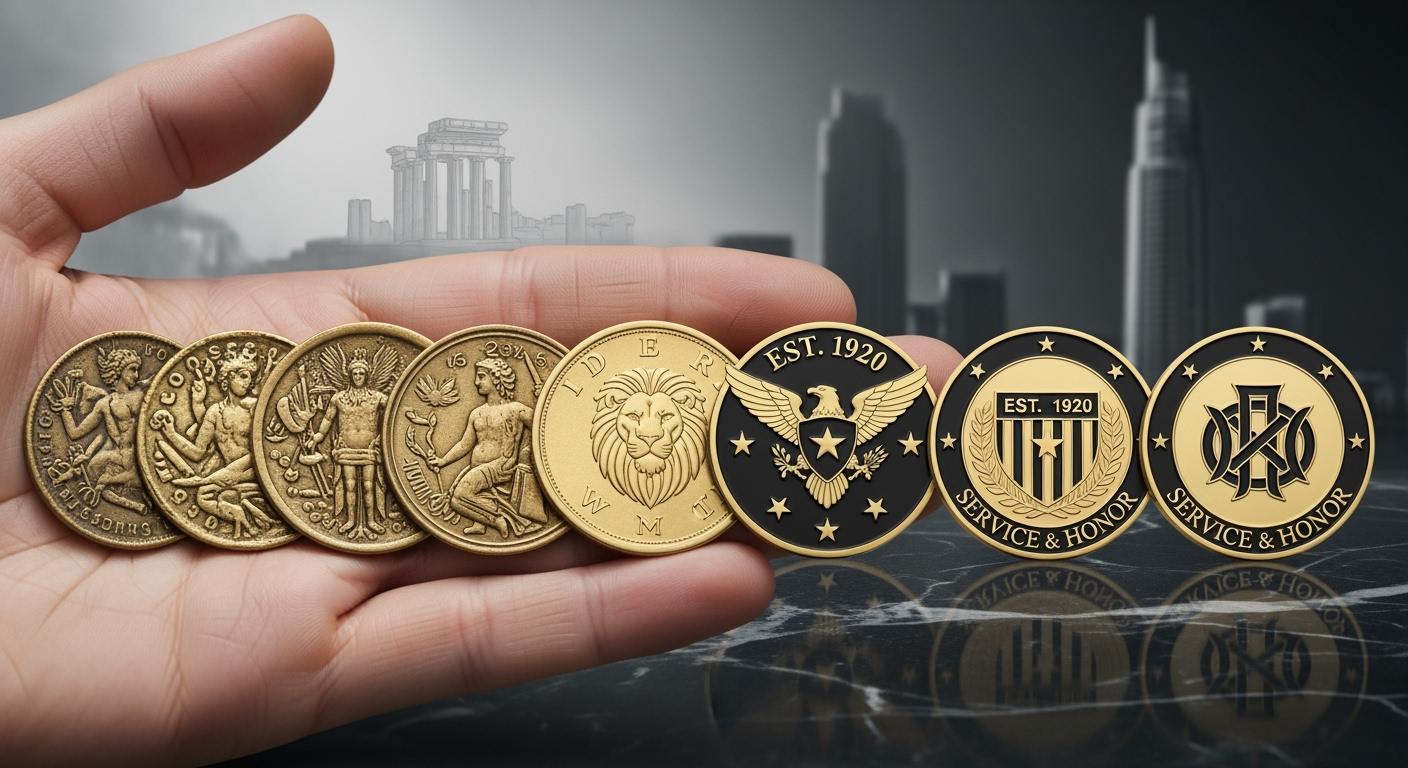
Challenge coins began as symbols of membership and recognition in ancient times. These coins now serve as tokens of camaraderie and honor in both military and civilian life. During World War I, an American pilot escaped capture and proved his allegiance by showing his unit’s coin, which saved his life. A challenge coin represents unity, pride, and tradition. People still find meaning and fascination in these coins, cherishing their stories and significance.
Key Takeaways
Challenge coins symbolize membership and recognition, originating in ancient times.
These coins foster unity and pride, especially in military and civilian organizations.
The tradition of challenge coins began during World War I, highlighting their importance in military history.
Challenge coins come in various materials and designs, each telling a unique story.
The coin check tradition encourages camaraderie and loyalty among members.
Challenge coins are now used in civilian life to celebrate achievements and strengthen team spirit.
Collecting challenge coins has become a popular hobby, connecting enthusiasts through shared interests.
Each challenge coin serves as a lasting reminder of shared experiences and organizational values.
What Is a Challenge Coin?
Definition and Features
A challenge coin is a small, custom-made medallion that represents membership, achievement, or affiliation with a group. The tradition began in the military during World War I, where commanders gave coins to service members to build unity and recognize their service. Over time, organizations outside the military, such as law enforcement and corporations, adopted challenge coins to honor achievements and foster a sense of belonging.
Challenge coins come in many shapes and sizes. Most coins are round, but some feature unique shapes to match a group’s identity. The surface often displays detailed artwork, including logos, mottos, or important dates. Each coin tells a story about the group or event it represents.
The materials used to make challenge coins vary. The table below shows some common materials and their features:
Material |
Characteristics |
Common Uses |
|---|---|---|
Zinc Alloy |
Lightweight, versatile, allows for intricate designs, cost-effective. |
3D coins, military challenge coins, promotional pieces. |
Iron |
Strong, durable, magnetic properties, suitable for functional formats. |
Bottle opener coins, commemorative magnets. |
Bronze |
Upscale feel, durable, retains enamel color well. |
Military challenge coins, commemorative coins. |
Brass |
Premium quality, corrosion-resistant, retains color, ideal for legacy pieces. |
Senior leader coins, prestigious awards. |
Many challenge coins feature vibrant colors, raised or recessed text, and even 3D elements. These features make each coin unique and meaningful to its owner.
Symbolism and Meaning
Challenge coins carry deep meaning for those who receive them. They serve as a symbol of courage, honor, and service. The designs often commemorate the bravery and sacrifice of uniformed personnel. Many coins acknowledge the risks and dedication of their members.
Challenge coins often include personalized messages or symbols that convey hope and pride. These details create a strong emotional connection for the recipient.
Some common ways challenge coins express their symbolism include:
Celebrating achievements and milestones
Fostering a sense of pride and belonging
Serving as tangible reminders of members’ contributions
Paying tribute to unwavering dedication
Today, challenge coins go beyond the military. They represent brotherhood, achievement, and unity in many organizations. Each coin stands as a lasting reminder of shared values and important moments.
Ancient Roots of the Challenge Coin
Roman Military Coins
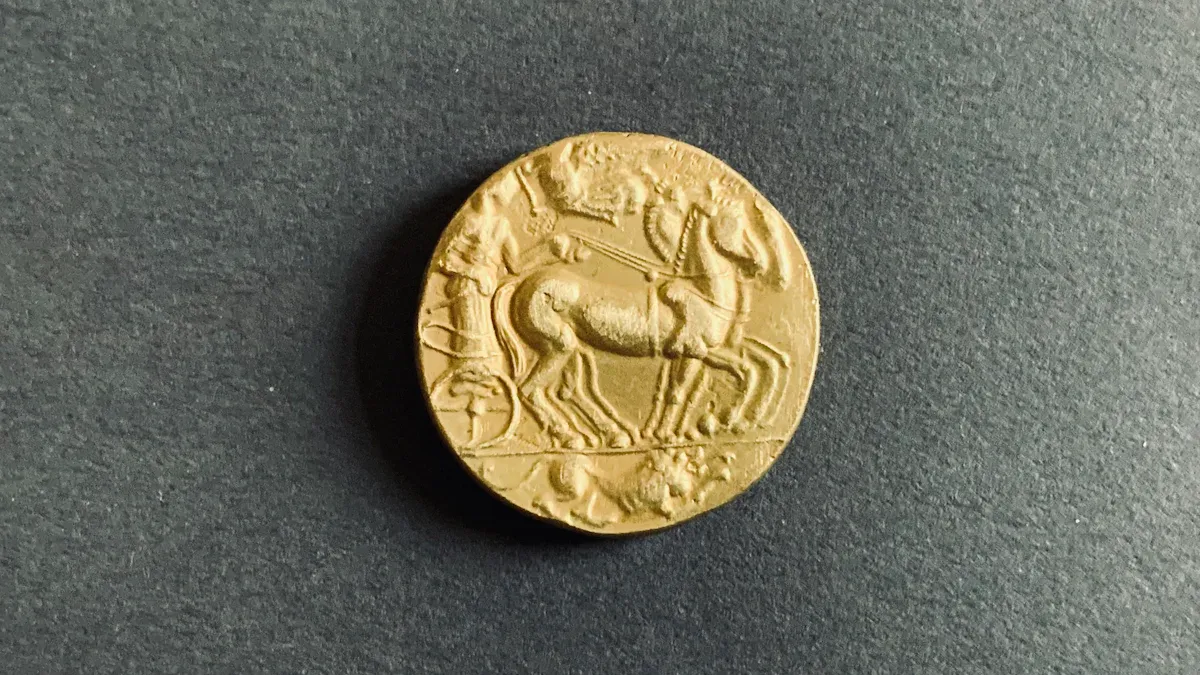
Ancient Rome set the stage for the tradition of challenge coins. Roman soldiers received coins as rewards for their achievements in battle. These coins often displayed the marks of the legions, making each piece unique to the soldier’s unit. Soldiers treasured these coins, keeping them as mementos of their service and victories. The coins did not serve as regular currency. Instead, they symbolized honor and recognition.
Roman commanders gave bonus coins to soldiers who excelled in combat. These coins went beyond regular pay. They marked acts of bravery and dedication. The practice of rewarding soldiers with special coins created a sense of pride and unity within the ranks. Roman military coins reflected the values of valor and commemoration. Soldiers carried these coins as reminders of their courage and loyalty.
Valor and Commemoration
Roman military coins celebrated acts of valor. Commanders used these coins to recognize soldiers who showed exceptional skill or bravery. The coins often featured images or inscriptions that honored the legion and its achievements. Soldiers felt a strong connection to their unit through these tokens. The coins became symbols of shared experiences and sacrifices.
The tradition of commemorating service with coins influenced later military practices. Roman soldiers passed down stories about their coins, linking personal achievement to the legacy of the legion. The emotional value of these coins lasted long after the battles ended. The Roman approach to recognition laid the foundation for the challenge coin tradition seen in modern times.
Early Token Traditions
Many cultures developed customs that resembled the use of challenge coins. These traditions helped groups build identity and trust. Some early examples include:
World War I: A lieutenant created bronze coins for his squad. One pilot used his coin to prove his identity to French soldiers, saving his life.
10th Special Forces Group: Members used coins for identification during covert missions. Coins helped overcome language barriers.
Post World War II: Soldiers participated in 'pfennig checks' at bars. Those without a pfennig had to buy drinks for the group.
Vietnam War: Infantrymen carried bullets as a challenge. This practice evolved into using personalized coins to avoid risky challenges.
These customs show how tokens fostered camaraderie and recognition. Groups used coins and other objects to mark membership and achievement. The challenge coin tradition grew from these early practices, blending ancient values with new forms of honor.
The History of the Challenge Coin in the Military
World War I Origins
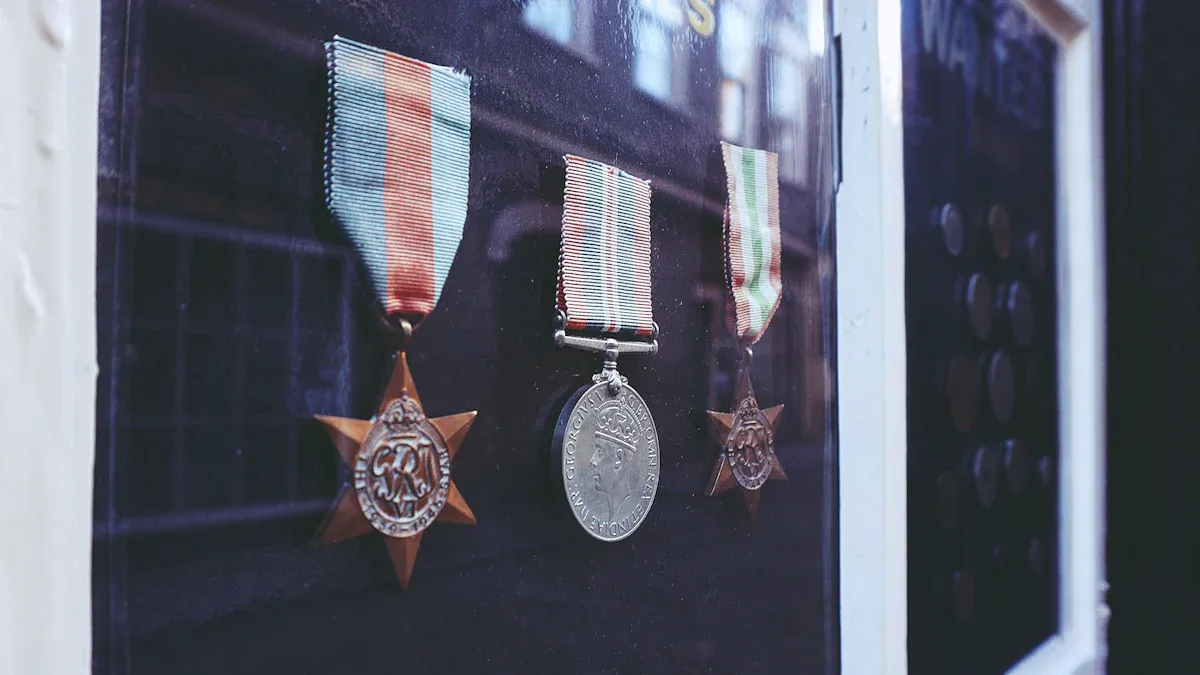
The history of the challenge coin in the military began during World War I. Many historians consider this period the true starting point for the modern tradition. The most widely accepted origin story centers on a lieutenant in the U.S. Army Air Service. He wanted to strengthen the bond within his squadron, so he created bronze medallions for each member. These medallions displayed the unit’s insignia and served as a symbol of unity.
The lieutenant gave each squadron member a medallion as a token of their shared experience.
During a mission, enemy forces captured the lieutenant and took all his identification except for the medallion.
After escaping, he encountered French soldiers who suspected he was a spy.
He showed them the coin with his unit’s insignia, which proved his identity and saved his life.
This story highlights the power of a simple coin to represent membership, trust, and honor. The tradition of carrying a unit coin spread quickly among military groups. Soldiers valued these coins as reminders of their service and the risks they faced together.
World War II and Beyond
World War II saw the expansion of challenge coins across different branches of the military. Units began to design their own coins, each with unique symbols and mottos. These coins became a way to recognize acts of bravery and to build morale among troops. Commanders often presented coins to soldiers who demonstrated exceptional skill or leadership.
The tradition continued after the war. Veterans kept their coins as keepsakes, passing them down to family members. The coins served as a link to their military service and the friendships they formed. Over time, the use of challenge coins spread beyond the battlefield. They became part of ceremonies, reunions, and other military traditions.
Many veterans describe receiving a challenge coin as one of the proudest moments of their careers. The coin stands as a lasting symbol of their achievements and the respect of their peers.
Korean and Vietnam Wars
The Korean War marked the first documented use of challenge coins by the United States Army. The 17th Infantry used coins to recognize unit members and boost morale. Soldiers saw these coins as more than just tokens. They represented a sense of belonging and pride in their unit.
During the Vietnam War, the 10th Special Forces Group-A adopted the tradition. Challenge coins became a powerful symbol of camaraderie among soldiers. The coins helped build trust and unity during difficult missions. Many soldiers carried their coins at all times, using them as reminders of their commitment to each other.
The history of the challenge coin shows how a simple object can carry deep meaning. From World War I to the Vietnam War, coins have honored bravery, built unity, and preserved the legacy of military traditions. Today, the challenge coin remains a vital part of American military tradition and continues to inspire new generations.
Challenge Coin Tradition and Customs
The Coin Check
The coin check stands as a popular tradition in military groups. Members use this practice to test each other's readiness and loyalty. A coin check usually begins when someone loudly calls out "coin check!" or slams a coin on a table. Everyone present must immediately show their coin. If a person cannot produce their coin, that person must buy drinks or perform a task for the group. This ritual encourages members to always carry their coin and stay connected to their unit.
The traditions of the coin include several important customs:
Always keep your coin within arm's reach.
Present your coin palm-to-palm during a handshake to show respect.
Carry your coin at all times to avoid penalties.
If you fail a coin check, you must buy drinks or complete a task.
These customs help build group loyalty and reinforce the challenge coin tradition.
Rules and Etiquette
The challenge coin tradition comes with its own set of rules and etiquette. These rules can differ between military branches and organizations. For example, the Navy and Air Force may have unique practices, such as storytelling or coin flipping. Some groups have strict rules about who can issue a challenge and what the coin means. Units may create their own consequences for failing a challenge, which can include physical tasks or humorous dares.
When participating in international exchanges, members should research the customs of other groups. If unsure about the rules, it is wise to ask politely before joining in. These guidelines ensure that everyone respects the tradition and avoids misunderstandings.
Stories of Camaraderie
The challenge coin tradition has created many stories of unity and allegiance. Members of the military carry unique challenge coins that symbolize their unit identity. The act of "coining" brings service members together, fostering camaraderie and a sense of belonging.
Challenge coins are cherished as markers of identity and unity, symbolizing the shared experience of serving together and enhancing morale within military units.
During World War II, members of the Office of Strategic Services carried coins with the OSS insignia. These coins gave agents a sense of unity and belonging as they risked their lives. The coins served as a tangible reminder of their shared experiences.
The challenge coin tradition continues to inspire new generations. It stands as a lasting symbol of honor, group loyalty, and the bonds formed through service.
Challenge Coins Beyond the Military
Presidential and Government Coins
Presidential challenge coins have become powerful symbols of recognition and diplomacy. Leaders use these coins to honor service, commemorate events, and build relationships. The tradition began to stand out during President Clinton’s administration, when the coin became a hallmark of the presidency. President Bush expanded the practice by presenting coins to foreign dignitaries, which helped symbolize American hospitality and global partnerships.
Evidence |
Description |
|---|---|
Enhancing Dialogue |
The thoughtful design and exchange of coins can enhance diplomatic dialogue and build relationships. |
Commemorating Events |
They commemorate significant events and recognize contributions to international cooperation. |
Clinton's Influence |
The coins became a hallmark of the presidency, distinct from other challenge coins, marking the beginning of a unique tradition. |
Bush's Diplomatic Use |
He presented coins to foreign dignitaries, symbolizing American hospitality and recognition of global partnerships. |
Meaningful Tool |
Challenge coins serve as symbols of respect, cooperation, and shared values in diplomatic relations. |
Cultural Exchange |
They can bridge cultural gaps and promote mutual respect, enhancing diplomatic dialogue. |
Presidential coins often feature the seal of office or special designs that reflect the occasion. These coins serve as meaningful tools for cultural exchange and recognition.
Civilian and Corporate Use
Challenge coins have found a place in civilian life and corporate culture. Companies and organizations use coins to celebrate achievements, motivate employees, and strengthen brand identity. The tradition of presenting a unit-emblazoned coin has expanded beyond military circles.
Microsoft issues coins for internal recognition and product milestones.
Google produces coins for major initiatives and anniversaries.
BMW celebrates major anniversaries at its Spartanburg plant with commemorative coins.
Shell creates coins for Emergency Response Teams to symbolize safety culture.
Ford develops coins for milestone anniversaries and employee service awards.
Red Bull issued commemorative coins during the Stratos project to celebrate engineering excellence.
Hyundai Construction Equipment uses coins for internal branding and employee motivation.
Disney and Pixar create coins for theme park anniversaries and film releases.
Amazon issues coins for employees achieving advanced certifications.
These coins foster pride and unity among team members. They also serve as lasting reminders of important milestones and shared values.
Easun Gifts and Custom Challenge Coins
Easun Gifts stands out as a leading provider of custom challenge coins. The brand specializes in creativity, quality, and customization. Easun Gifts offers a wide range of designs that cater to businesses, event organizers, and collectors. Each coin reflects the client’s vision and commemorates special occasions or achievements.
Easun Gifts originated in China and has built a reputation for excellence in craftsmanship. The company produces coins for various industries, including sports, music, and fashion. Customers can choose from unique shapes, vibrant colors, and detailed artwork. Easun Gifts ensures that every challenge coin meets high standards and delivers lasting value.
Easun Gifts helps clients create coins that celebrate milestones, honor service, and promote unity. The brand’s commitment to innovation and customer satisfaction makes it a trusted partner for those seeking memorable and meaningful coins.
Collectors appreciate the variety and customization options available. Businesses use Easun Gifts coins to recognize employee achievements and strengthen team spirit. Event organizers rely on the brand for commemorative coins that mark important occasions. Easun Gifts continues to advance the tradition of challenge coins, offering products that inspire pride and connection.
Modern Significance of Challenge Coins
Collecting and Trading
Collectors and enthusiasts have shaped a vibrant community around challenge coins. Many people seek coins that reflect personal interests or commemorate special events. Custom designs have become more popular, allowing individuals to express their unique stories through each coin. Corporate challenge coins now attract attention from collectors who value their distinct artwork and connection to major organizations.
Collectors often display their coins in cases or frames. Some join online forums or attend conventions to share their collections and learn from others. Education and networking play important roles in this community. People exchange tips about coin care, authentication, and trading. These activities help collectors build friendships and expand their knowledge.
Custom challenge coins cater to personal preferences and stories.
Corporate coins have gained popularity among collectors.
Education and networking strengthen the collecting community.
Trading coins has become a favorite activity for many enthusiasts. They swap coins to complete sets or acquire rare pieces. The excitement of finding a new coin motivates collectors to keep searching and learning. This tradition continues to grow as more people discover the joy of collecting and trading.
Many collectors describe the thrill of finding a rare coin as a highlight of their hobby. The search for unique designs brings people together and keeps the tradition alive.
Values and Legacy
Challenge coins play a key role in preserving organizational values and legacy. Each coin serves as a physical reminder of shared experiences and achievements. Members feel a sense of belonging when they receive a coin that marks an important milestone. These coins help organizations honor their mission and inspire future generations.
Coins connect individuals to memories and shared experiences.
They commemorate achievements and foster belonging.
Coins promote engagement with the organization's mission.
Designs often include historical elements that reflect the group's heritage. Symbols, dates, and mottos tell stories about the organization’s past. This storytelling helps members understand their roots and appreciate the values that guide their actions.
Historical elements in coin designs maintain legacy and tradition.
Designs link present and future generations to their heritage.
Challenge coins encourage members to uphold the values of their group. The tradition of giving and receiving coins strengthens bonds and motivates people to contribute to the organization’s success. As coins pass from one person to another, they carry the legacy forward.
A challenge coin can inspire pride and responsibility. It reminds members of their commitment to the group and the importance of preserving its values.
Challenge coins continue to play a vital role in honoring achievements and building camaraderie and allegiance. People use these coins to celebrate tradition and recognize hard work. The coin inspires unity and motivates members to strive for excellence. Easun Gifts helps connect individuals and groups, making each challenge coin a symbol of meaningful moments. The tradition encourages reflection on how honor and shared experiences shape both military and civilian life.
Challenge coins promote unity, reward dedication, and strengthen bonds among members.
FAQ
What is the main purpose of a challenge coin?
A challenge coin recognizes membership, achievement, or affiliation. People use these coins to honor service, celebrate milestones, and build unity within groups.
Who can receive a challenge coin?
Military members, law enforcement officers, corporate employees, event participants, and collectors can receive challenge coins. Organizations present coins to individuals who show dedication or reach important goals.
How do people display challenge coins?
Many collectors use display cases, shadow boxes, or frames. Some arrange coins on shelves or desks. Displaying coins helps preserve their condition and showcases their significance.
Can challenge coins be customized?
Yes, companies like Easun Gifts offer custom challenge coins. Clients select shapes, colors, artwork, and text. Custom coins reflect personal stories, company branding, or special events.
What materials are used to make challenge coins?
Material |
Features |
|---|---|
Zinc Alloy |
Lightweight, detailed |
Iron |
Durable, magnetic |
Bronze |
Upscale, long-lasting |
Brass |
Premium, corrosion-resistant |
What is a coin check?
A coin check tests if members carry their challenge coin. Someone calls for a check, and everyone must show their coin. Those without a coin may buy drinks or complete a task.
Why do people collect challenge coins?
Collectors value coins for their history, artwork, and emotional meaning. Coins represent achievements, group identity, and memorable events. Trading and displaying coins builds community among enthusiasts.
0 commentaire